
The Greek table is not a sequence of courses. It is a slow accumulation of small plates, ordered as you go, shared by everyone, with bread doing much of the work. Once you understand that, eating in Greece becomes far easier and far better.
Order for the table, not for yourself
Start with four or five small dishes: a salad, something from the garden, something from the sea, a cheese, a dip. Eat. Then decide whether you want more. Greeks almost never order one plate per person at the start of a meal.
This is also how you eat well cheaply. Six good meze cost less than three main courses and taste of more places.
Ask what is fresh
In a good kitchen the answer changes daily. "What do you have today?" is a completely normal question and often produces dishes that never appear on the printed menu — the wild greens someone picked that morning, the fish that came in at dawn, the stew that has been in the oven since eleven.
Lunch is the main meal
The long Greek lunch, somewhere between two and four in the afternoon, is the heart of the day. Dinner is later and often lighter. Planning a trip around Northern European mealtimes means eating in the emptiest hours in the least interesting rooms.
Where to sit
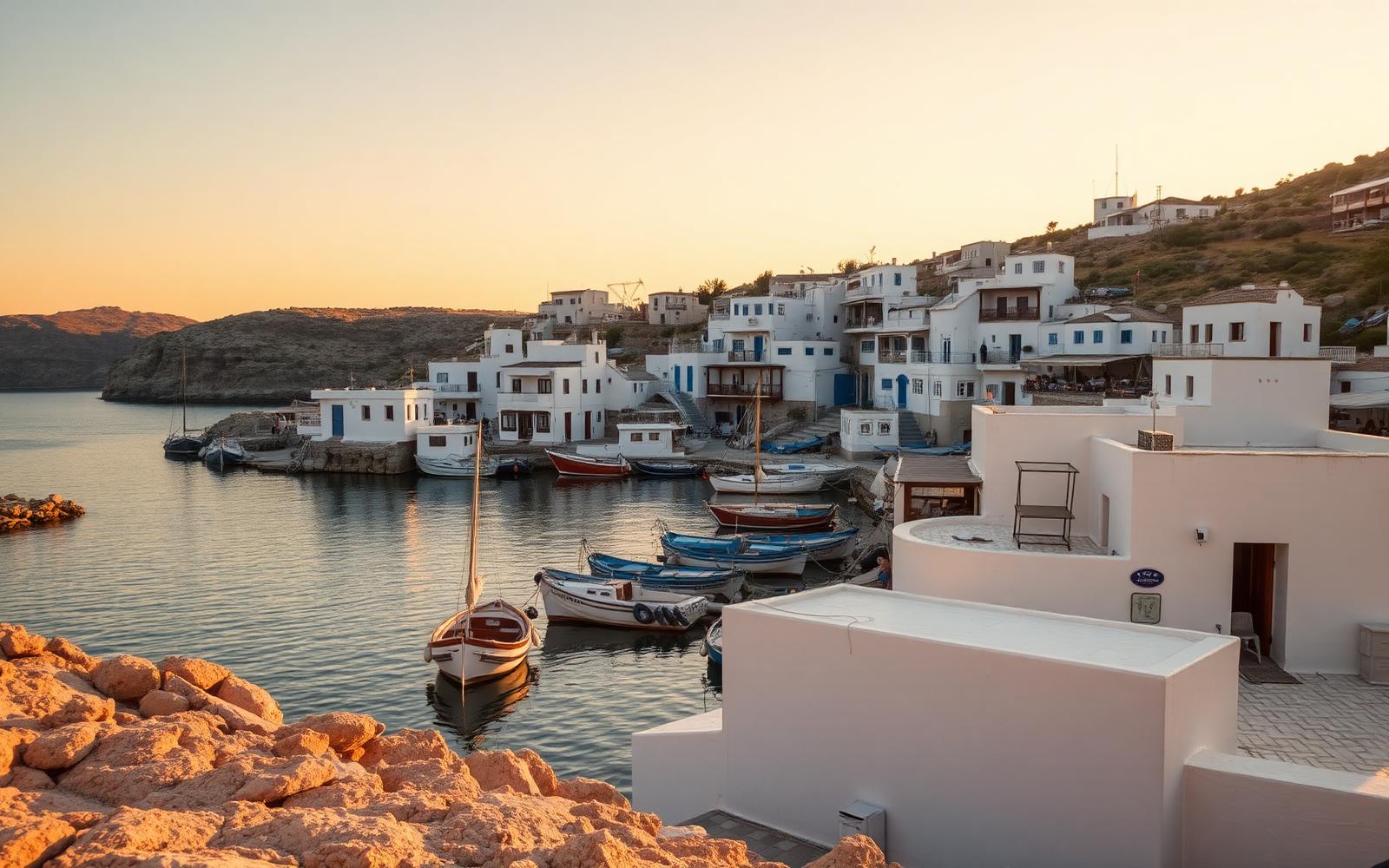
The best table is rarely the one with the finest view. Look for a place where local families are eating, where the menu is short, where the owner is in the room and where the wine arrives in a metal jug. A view is worth having, but it should be a bonus and not the reason.
Olive oil, bread and honesty
A taverna that uses good olive oil tells you everything about the rest of its kitchen. Taste it on bread before anything arrives. Greek cooking has very few places to hide: three or four ingredients, cooked properly, seasoned confidently.
The wine in the jug
House wine — chyma — is poured from the barrel and is often made a few kilometres away. It is not fine wine and it is not trying to be. It is meant for food, for a long table and for an afternoon that does not need to end.
If you want to go further, Greece has an extraordinary and still under-appreciated wine culture: Assyrtiko from volcanic soils, Xinomavro from the north, Agiorgitiko from the Peloponnese. Ask, and someone will happily open your eyes.
The one habit worth copying
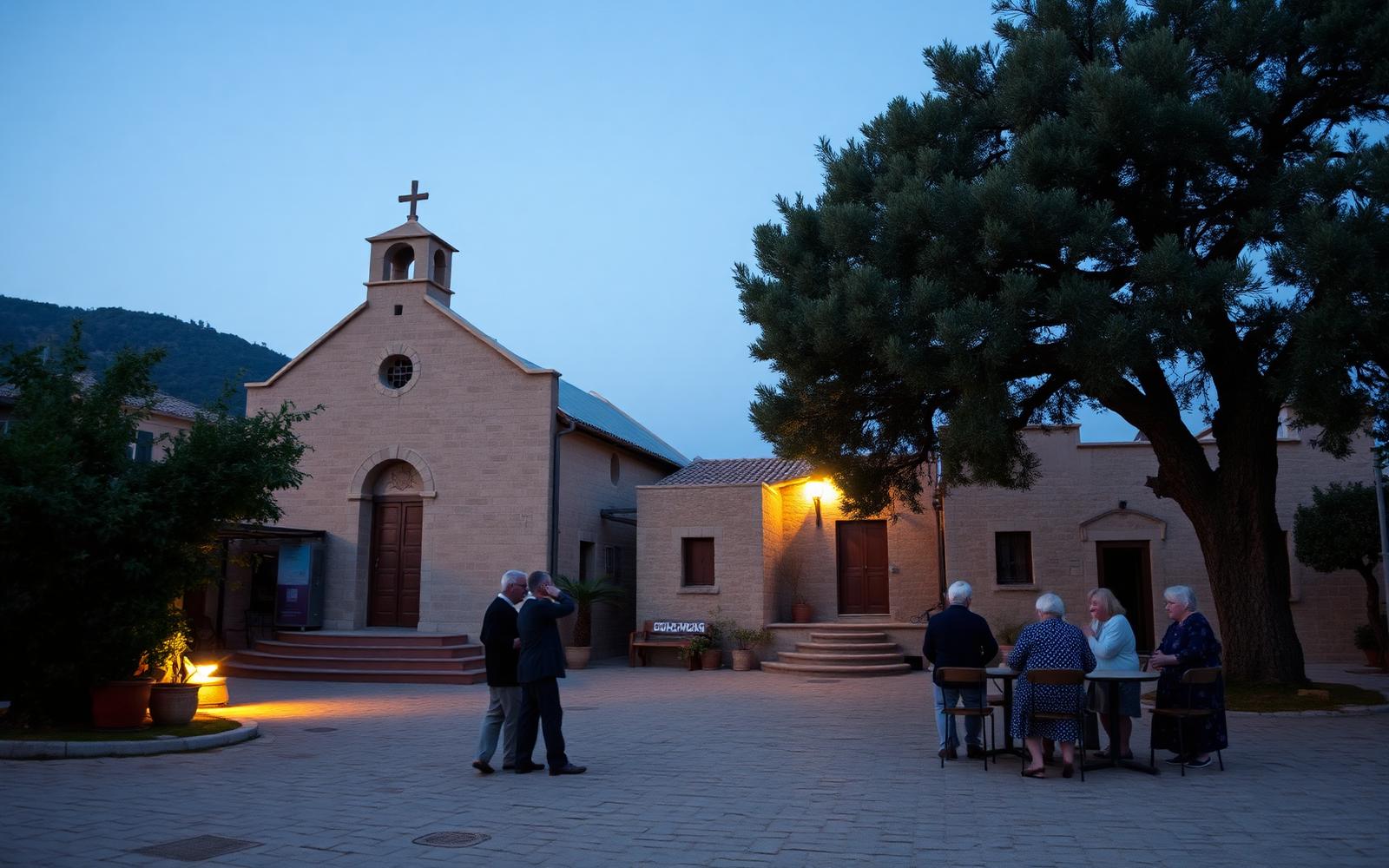
Stay after the plates are cleared. In Greece the meal does not end when the food does. That last half hour — the coffee, the fruit that arrives unordered, the conversation with the next table — is usually where the trip actually happens.