
Greece has more than two hundred inhabited islands. Most travellers see three or four of them, and almost always the same three or four. That is not a mistake — the famous islands are famous for good reason. But the Greece many people are actually looking for, the one with the long lunch and the harbour that empties at three in the afternoon, is usually one ferry further along.
This is a guide to thinking about the islands differently: not as a checklist, but as a set of very different places with very different rhythms.
Every island group has its own character
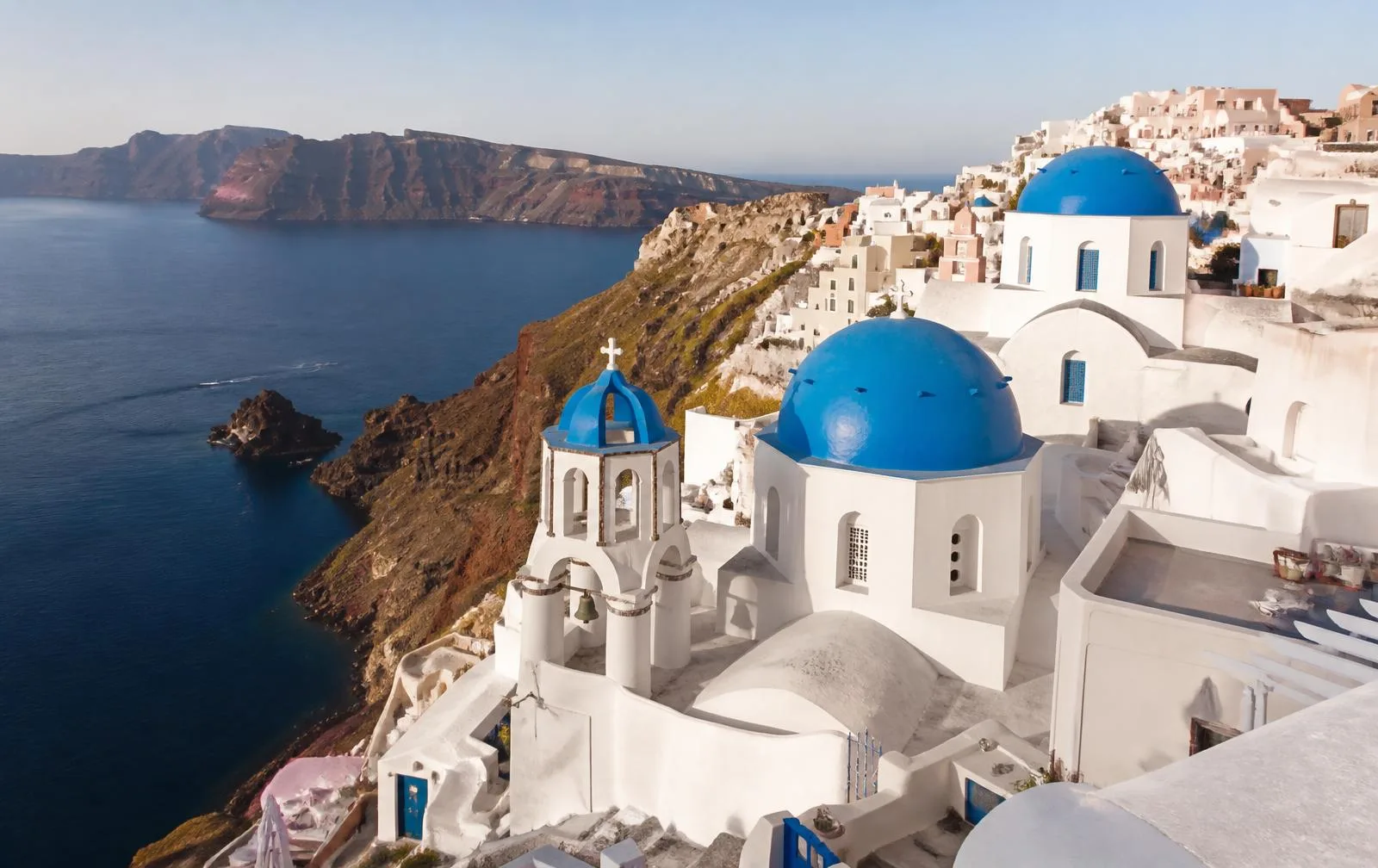
The Cyclades are the postcard: white cube houses, dry hills, strong light and strong wind. Within them, the difference between a busy island and a quiet one can be forty minutes on a boat.
The Dodecanese, closer to the Turkish coast, carry layers of Italian, Ottoman and medieval history. Buildings are more colourful and the food leans a little more towards spice and seafood.
The Ionian islands, on the west side, are green. Olive groves run to the sea, the rain comes more often and the villages feel softer and more Venetian.
The islands of the North Aegean and the Sporades are the least visited of all by international travellers, and often the most rewarding for anyone who wants an ordinary Greek summer rather than a curated one.
What "quiet" really means
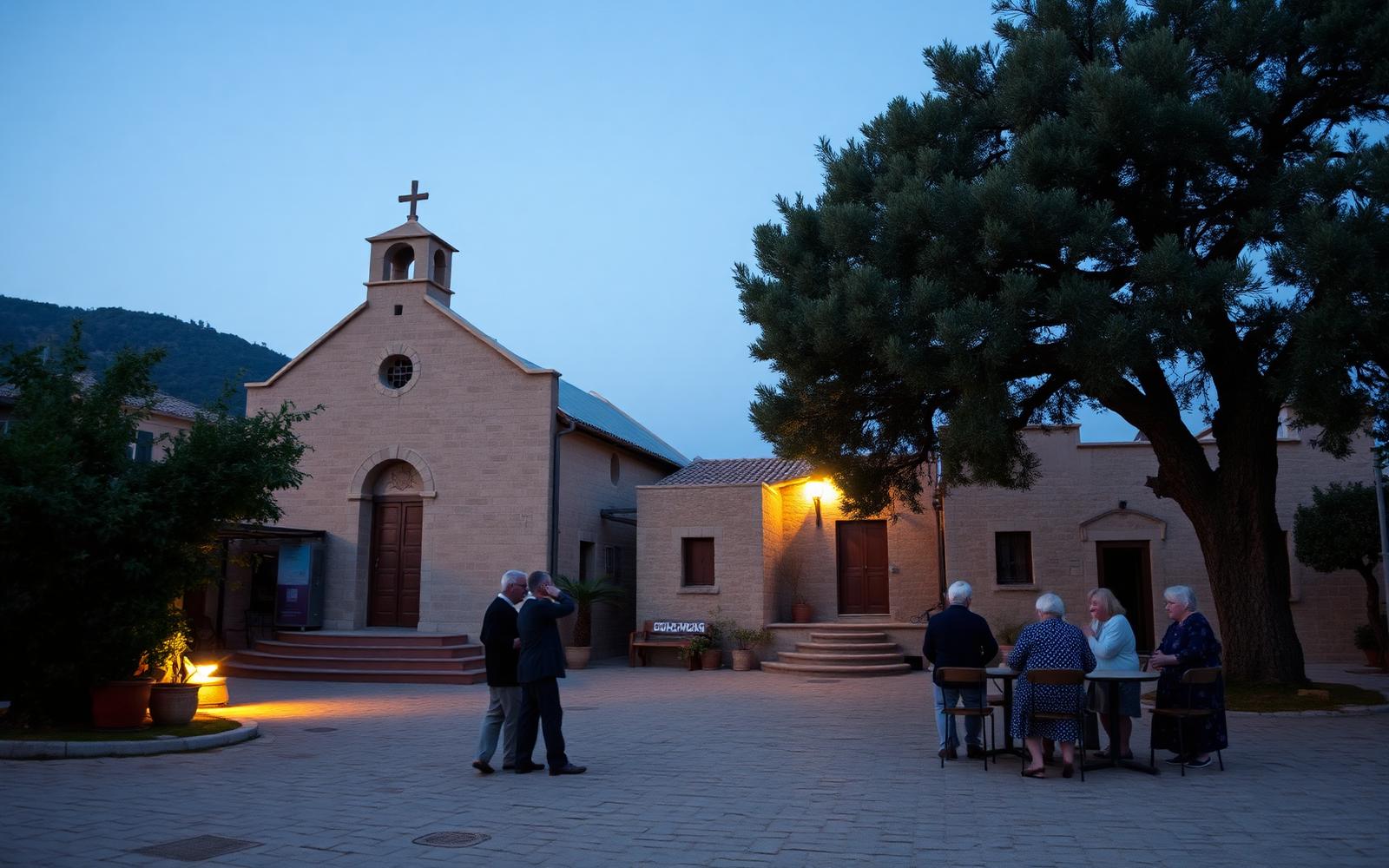
Quiet does not mean empty. A quiet island still has a bakery that opens at seven, a square where children play after dinner and a bus that runs twice a day. What it does not have is a queue for sunset.
When we talk with travellers about quiet islands, three practical things usually matter more than the name of the island itself:
- Ferry frequency. An island with one boat every three days is peaceful, but it will shape your whole itinerary.
- Where you sleep. A room above a working harbour gives you a completely different day than a resort on the far side of the island.
- Whether you drive. On many smaller islands a car turns a good week into an excellent one.
Two islands, not five
The most common regret we hear is not that someone chose the wrong island. It is that they chose too many.
Each island change costs you a morning of packing, a ferry, an afternoon of finding your bearings and an evening of not yet knowing where to eat. Do that four times in ten days and the trip becomes logistics.
Two islands in ten days, or three in two weeks, leaves room for the things people actually remember: the second visit to the same taverna, the beach you found on the third day, the fisherman who recognises you.
When to go
June and September are the two best months for almost everyone. The sea is warm, the light is long, tavernas are fully open and the islands still belong partly to the people who live on them.
May and October are quieter and cooler, and beautiful if swimming is not the point of the trip. July and August are hot, busy and expensive, though the festival calendar is at its richest.
Eating on a small island
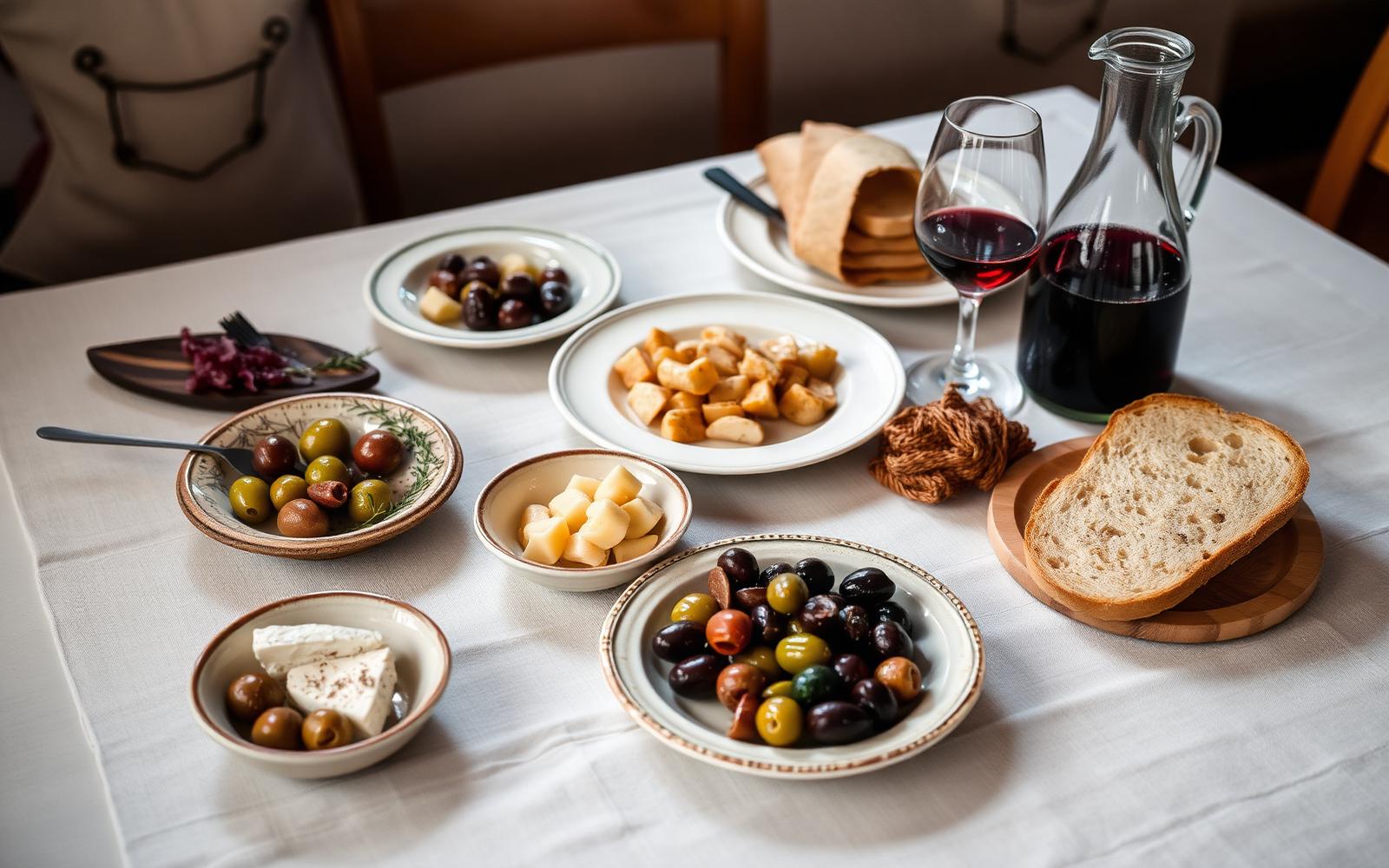
On a small island the food is a direct reflection of what is nearby: goat and greens on dry islands, fish where the harbour is working, cheese and honey where the hills are high. Menus are short because they are honest.
Ask what came in that morning. It is not a test — it is genuinely how ordering works, and the answer is usually the best thing you will eat that week.
Building the journey
A good island trip has a shape. Arrive somewhere gentle, spend enough nights to stop counting them, move once, and end somewhere with easy transport home. Everything else — the coves, the monastery, the winery on the hill — arranges itself around that.
If you are still deciding which islands suit you, that decision is much easier to make in conversation than from a list. Tell us how you like to spend a day, and the map narrows quickly.