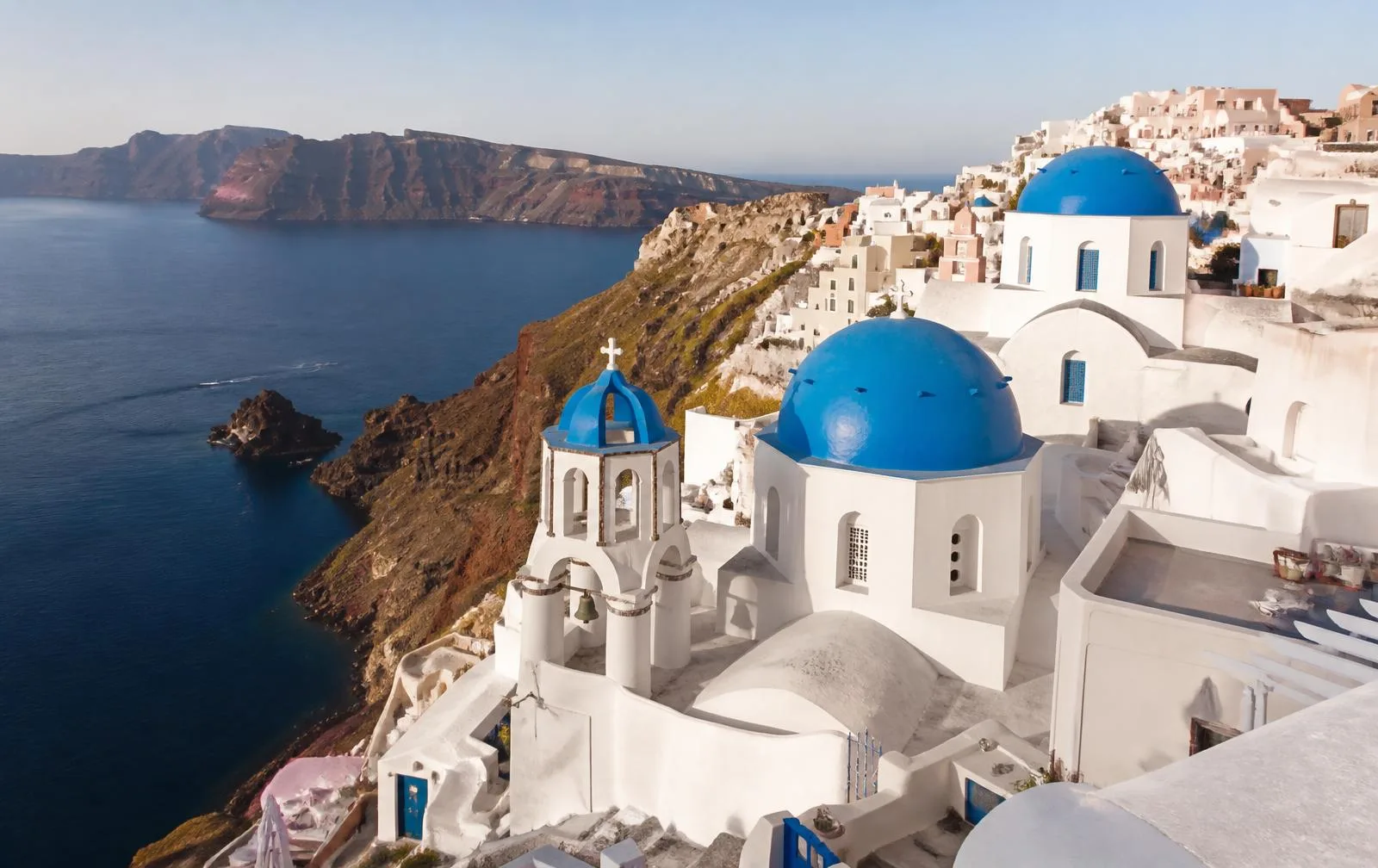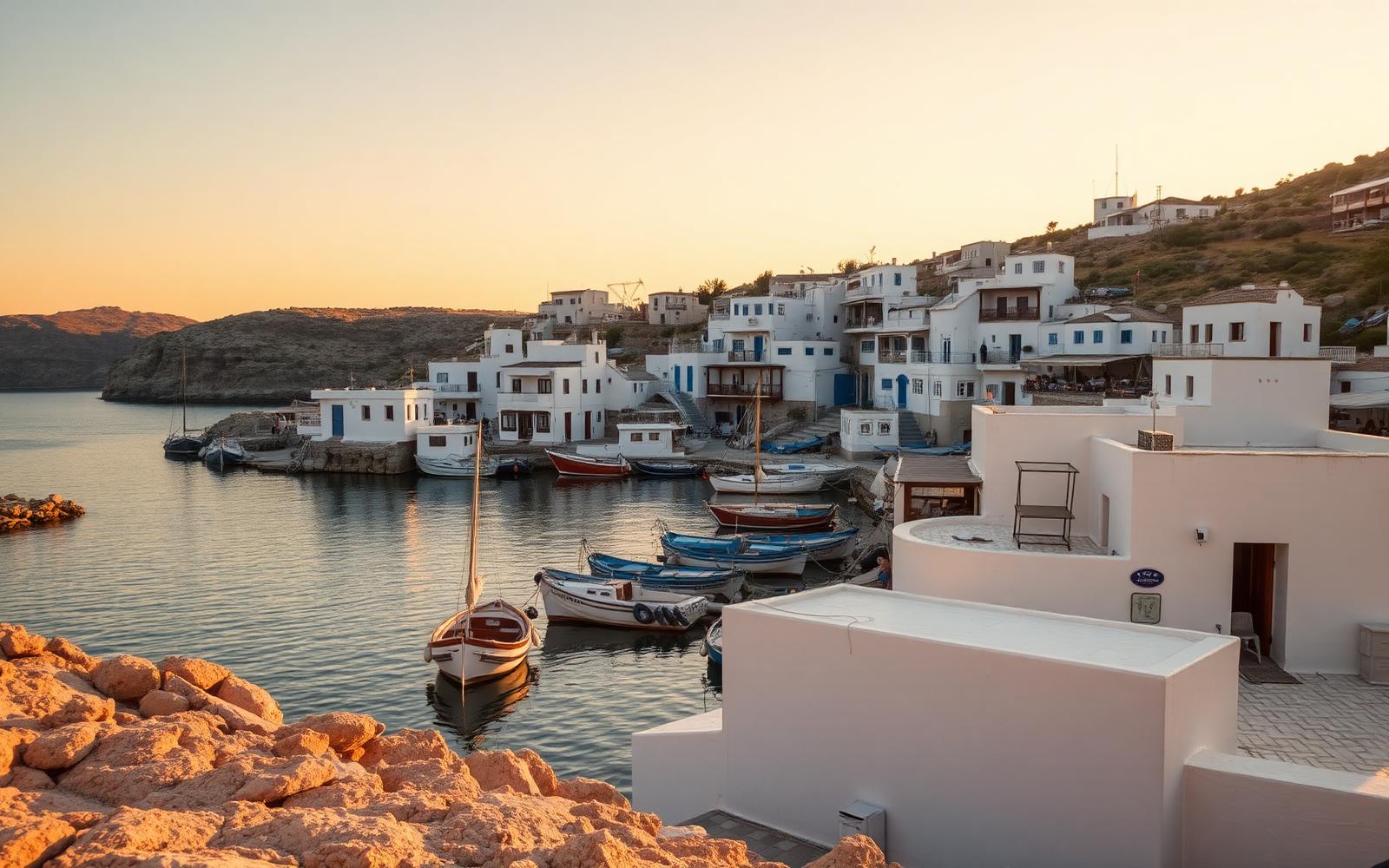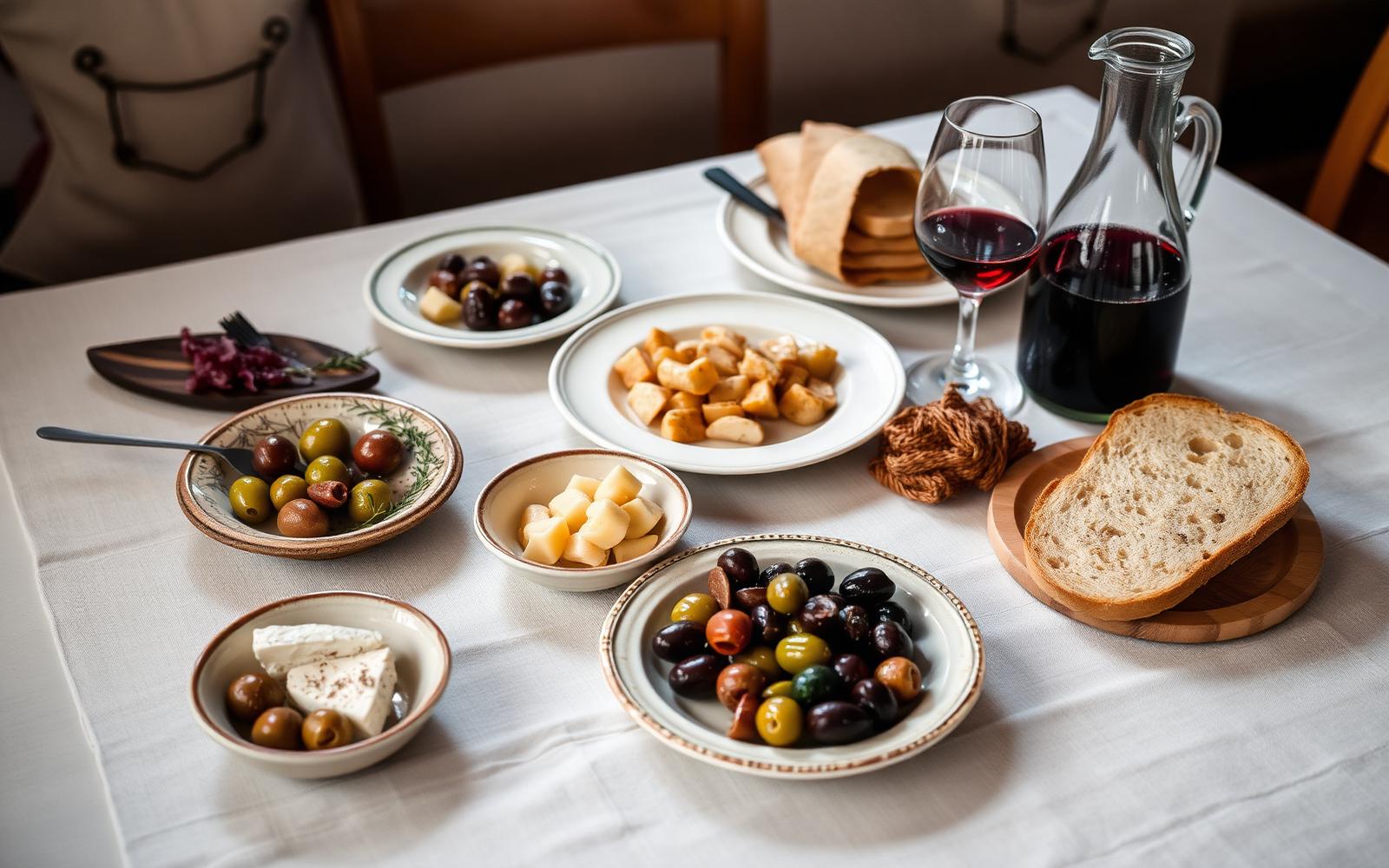

Ask someone what they remember from Greece and they rarely begin with a monument. They begin with an evening: a square, a chair that was not quite level, the smell of grilling somewhere behind them, the sound of a conversation they could not follow.
The square is the living room
Every Greek village has a plateia, and in the evening it functions as the shared living room of the whole community. Older men take the same chairs they have taken for decades. Children run in loops. Someone brings out a tray of coffee.
You are not intruding by sitting there. A visitor who orders something, stays a while and says kalispera is simply another person in the square.
The volta
Before dinner, people walk. Not for exercise — for the pleasure of being seen and of seeing. The volta is slow, sociable and completely unhurried, and joining it is the easiest way to feel the rhythm of a place.
Feasts and name days
Greece runs on a calendar of panigyria, village festivals tied to a local saint. They involve long tables, live music, dancing that starts late and food cooked in quantities that make no commercial sense. If your dates overlap with one, change your plans to be there.
Name days matter more than birthdays in many families. If you are invited to one, go, and bring something sweet.
Why unstructured time matters
Most itineraries fail not because they are wrong but because they are full. Three sites in a day leaves no room for the accident: the workshop that was open, the cousin who offered a lift, the invitation to sit down.
We build trips with deliberate gaps. Not empty days, but afternoons with nothing scheduled and evenings without a reservation. That space is where Greece stops being a destination and starts being a place you know.
A small piece of advice
Learn six words. Kalimera, kalispera, efcharisto, parakalo, yamas, poli oreo. Nobody expects them, everybody notices them, and they open more doors than any guidebook.