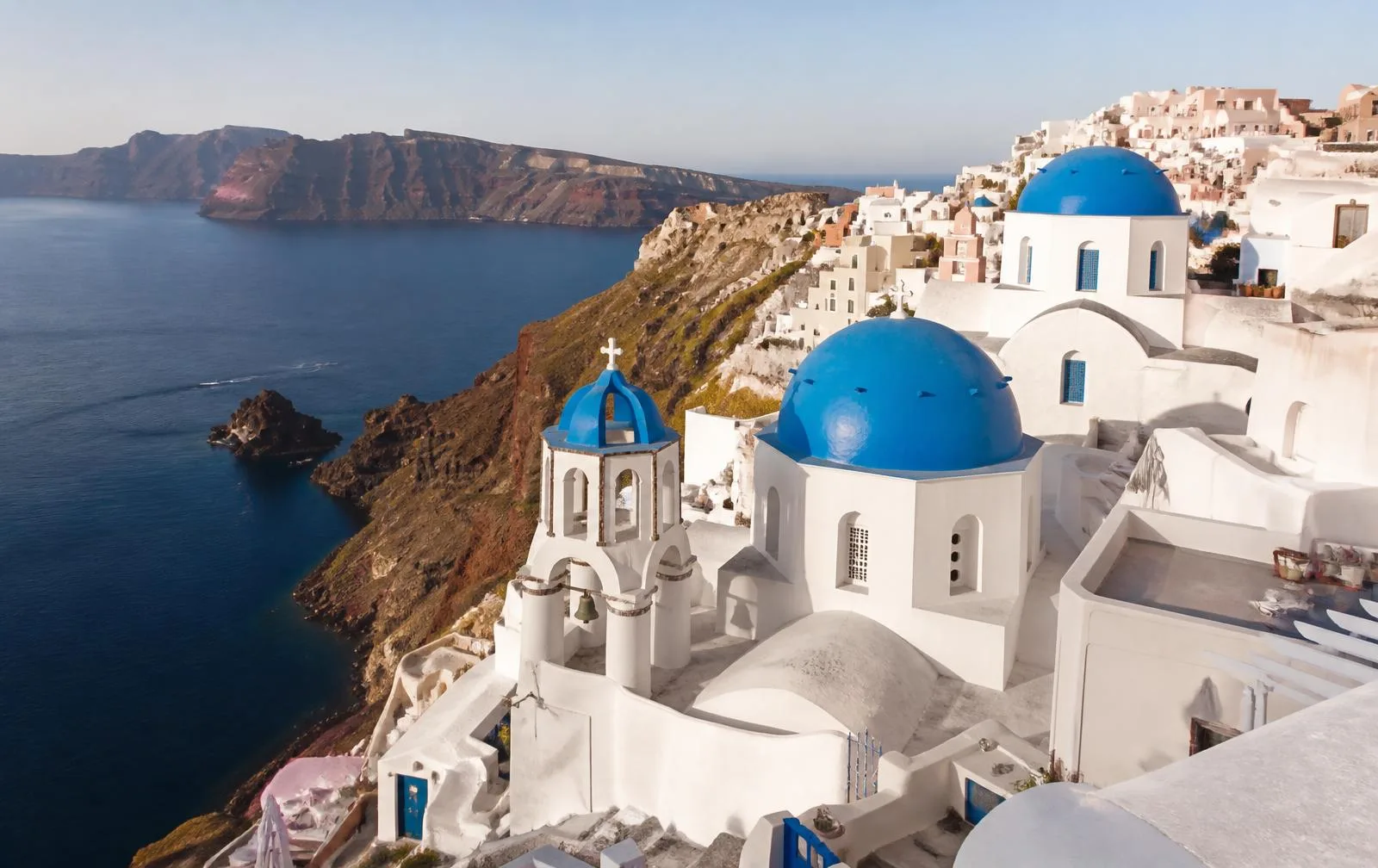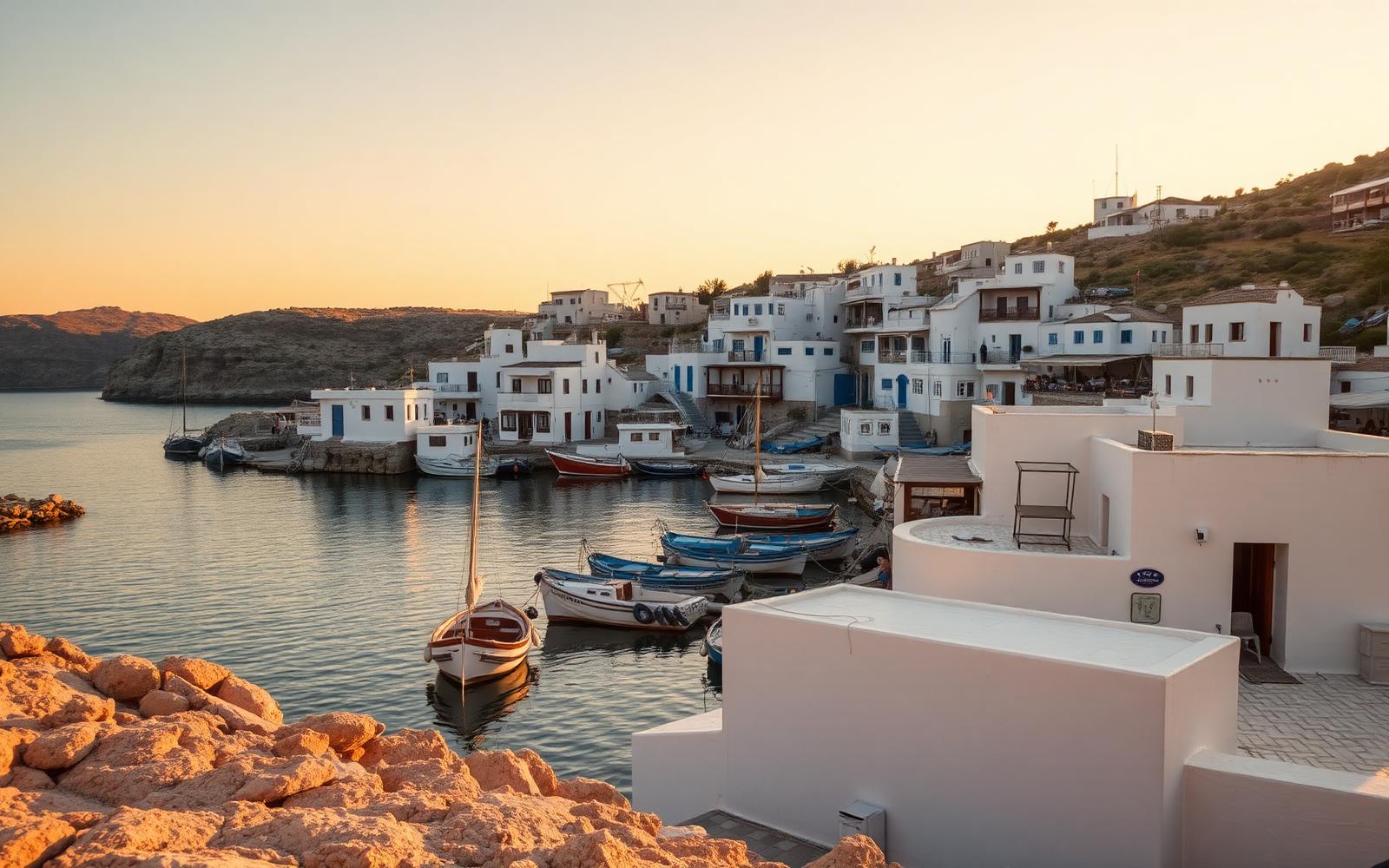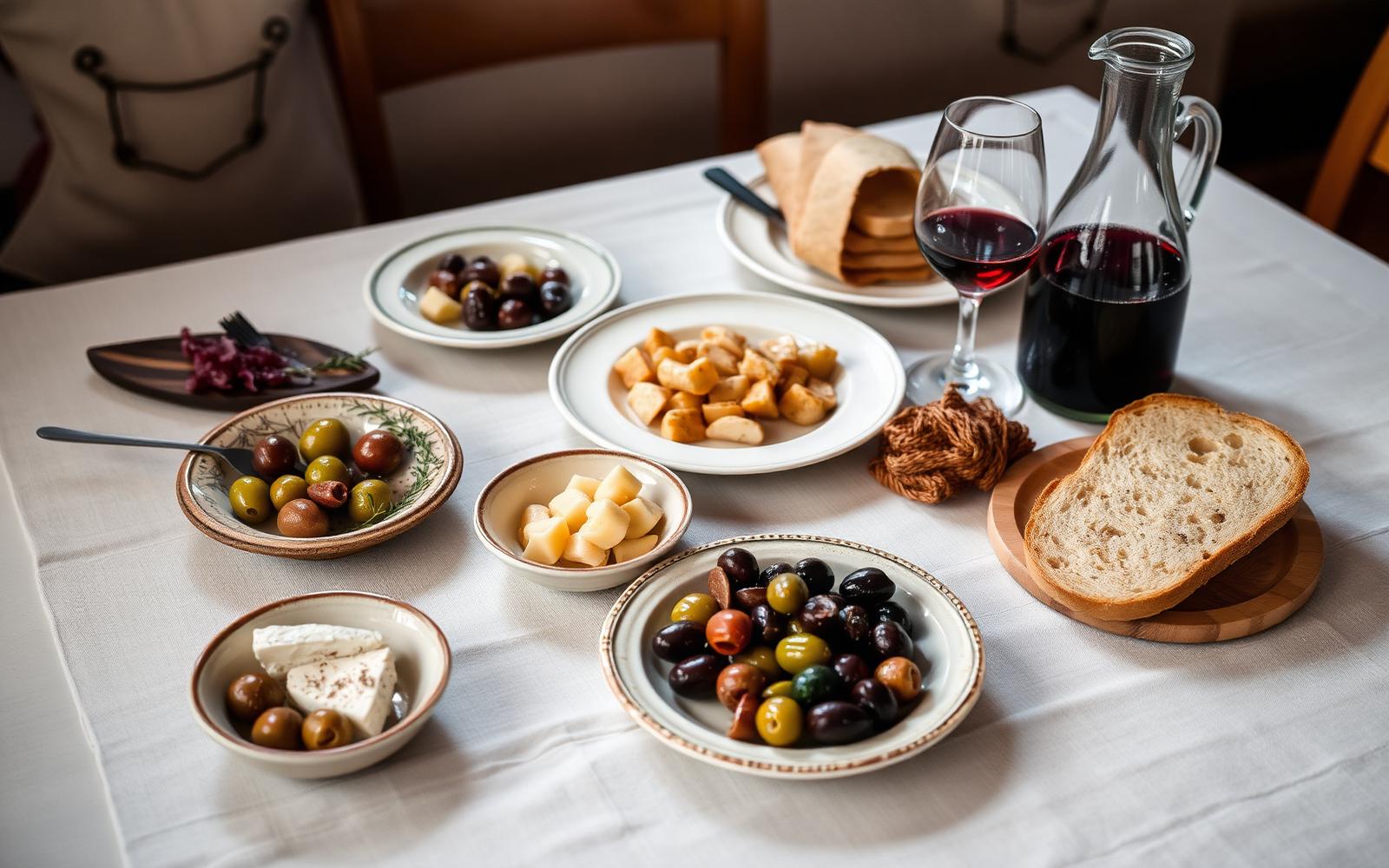

Most people planning Greece start with a map and a list of islands. It is a natural place to begin and almost always the wrong one. The better first question is not where but how you want the days to feel.
This guide is written for travellers planning six months or more ahead, which is exactly the right amount of time.
Decide the shape before the places
There are broadly four shapes a Greece trip can take:
- One base, deep. A single village or island, day trips, no packing.
- Two anchors. A mainland region and an island, connected by one ferry or a short flight.
- A slow line. Three places in two weeks, each with at least four nights.
- A season-led trip. Built around a harvest, a festival or a specific table.
Choosing the shape first makes every later decision easier.
When to go
May and June: long light, wildflowers into early May, warm sea by mid June, everything open, manageable crowds.
July and August: hottest, busiest, most expensive; also the season of festivals and the fullest island life.
September and October: widely considered the best combination — warm water, softer heat, harvest, and a country exhaling.
November to April: Athens, the mainland, museums, mountains and empty archaeological sites. Many island businesses close.
How long you need
Seven days is enough for one region. Ten to fourteen days is the sweet spot for most travellers: Athens plus an island, or two islands, without daily logistics. Three weeks lets you cross regions properly.
Whatever the length, apply one rule: never fewer than three nights anywhere. Two nights is one real day.
Ferries and flights
Greek ferries are reliable, comfortable and genuinely enjoyable, and they run on a summer schedule that is usually published in late winter. High-speed boats cost more and cancel more readily in wind; conventional ferries are slower and steadier.
Flying makes sense for the long hops — Athens to Crete or Rhodes — and for the last leg before an international flight home. Always leave a full buffer day before flying out.
Should you drive?
On the mainland, yes. Roads are good, distances are shorter than they look, and the best food is off the highway.
On islands it depends. Small island, a few days, one bay — no. Larger island, a week, hill villages — absolutely.
What to book early
Small, family-run places have very few rooms, so the good ones fill nine to twelve months ahead for July and August. If your trip is high season and you have specific hotels in mind, that is the part to lock first. Ferries can wait until schedules are released.
What not to over-plan
Every day should have one anchor and nothing else. A morning at a site, or a lunch in a village, or a boat. The rest of the day fills itself, and that is the part you will describe when you get home.
Where we come in
We are not a booking engine and we do not sell fixed packages. We help travellers shape the trip — the timing, the pacing, the regions, the people worth meeting — and we do it best when the trip is still an idea rather than a spreadsheet.
If Greece is somewhere on your horizon, even a year out, that is exactly the right moment to start the conversation.